
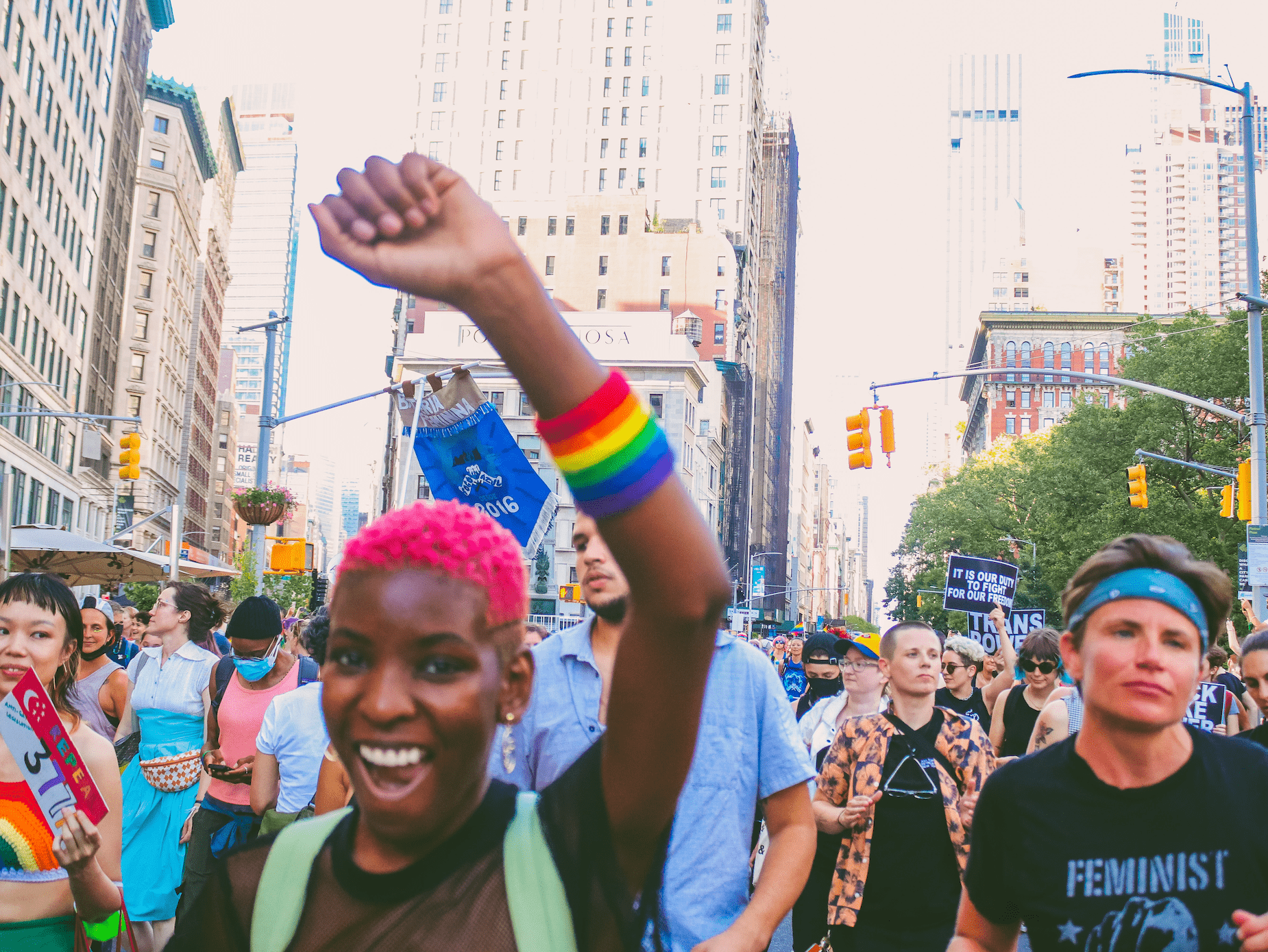
How to Leverage Your Clinical Mental Health Training to Advocate for LGBTQ+ Mental Health Access
As clinical mental health professionals, we are trained to listen deeply, assess context, hold complexity, and respond ethically to human suffering. These skills are often discussed in the therapy room, but they are equally needed beyond it.
For LGBTQ+ clients, mental health access is not only a matter of individual readiness, insurance coverage, or finding “a good fit.” Access is shaped by social stigma, discrimination, provider bias, political climate, family rejection, community safety, financial barriers, and the availability of affirming care. When systems become more restrictive or unsafe, therapy cannot remain neutral to the conditions impacting client wellbeing.
Counselors are uniquely positioned to advocate because we understand both individual distress and systemic context. We are trained to notice patterns, assess risk, support identity development, honor autonomy, and intervene when barriers to care create harm. Advocacy is not separate from clinical work. It is one way we uphold the ethical responsibilities of our profession.
This resource explores how counseling professionals can use their clinical training to support LGBTQ+ mental health access at the interpersonal, organizational, community, and systemic levels.

Counseling Awareness Month: Why Therapy Matters and How Counseling Supports Healing

Young Adulthood Is Changing. Therapy Can Help You Find Your Way Through It.
The path into adulthood does not look the way it once did. Milestones that were once framed as expected or straightforward, like finishing school, finding stable work, moving out, building community, forming relationships, or feeling financially secure, now often unfold in nonlinear and deeply stressful ways. Many young adults are carrying not only personal questions about identity, purpose, and belonging, but also the emotional weight of navigating an increasingly demanding world.

Why Membership in the Transgender Health Education Network Matters
We are proud to be a registered provider through the Transgender Health Education Network (THEN), a Florida-based nonprofit created to build a network of informed, affirming providers for transgender and gender-diverse individuals and their families.

Identity Development in Young Adulthood: A Relational-Cultural and Social Justice Perspective
Young adulthood is often described as a season of becoming. It is a time when many people begin asking deeper questions about who they are, what they value, where they belong, and how they want to move through the world. While this stage of life can be exciting, it can also feel disorienting, tender, and uncertain. Identity development is rarely a straight path. Instead, it is often shaped through relationships, life experiences, systems of power, and the ongoing process of making meaning of one’s lived reality.
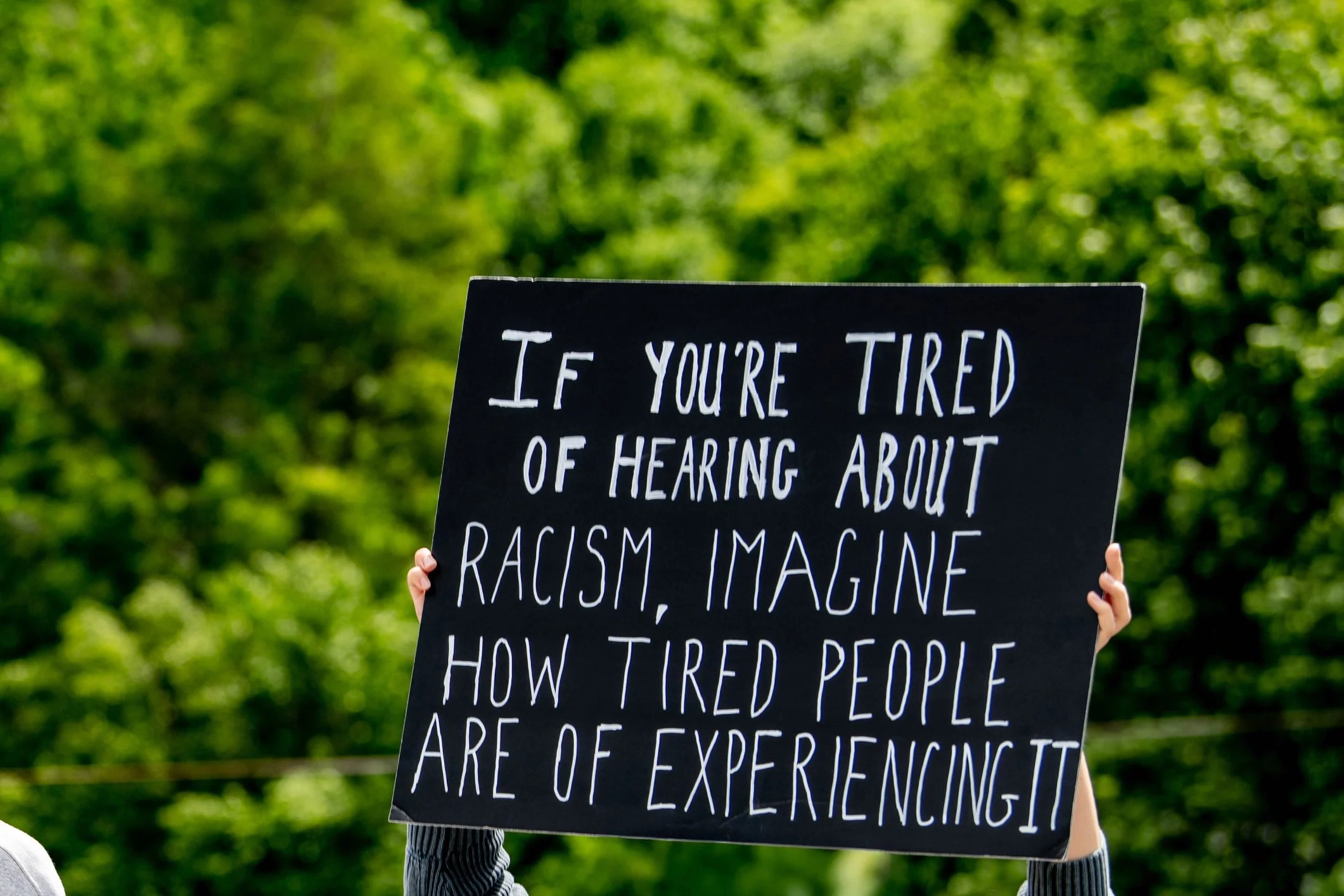
Therapy in Unstable Sociopolitical Times: Why Healing Is Also a Form of Action
When the broader social environment is unstable, our nervous systems often carry the weight of that instability. People may notice heightened anxiety, grief, anger, numbness, hopelessness, difficulty concentrating, sleep disruption, or a constant sense of vigilance. For those whose identities are directly targeted by political rhetoric, policy decisions, discrimination, or cultural backlash, these responses are not overreactions. They are often understandable responses to ongoing threat, uncertainty, and cumulative harm.

What to Expect the First Time You Start Therapy
Starting therapy for the first time can bring up a mix of emotions. You may feel hopeful, nervous, skeptical, relieved, or unsure of what to expect. For some people, beginning therapy feels like a meaningful step toward healing. For others, it may feel vulnerable, unfamiliar, or even intimidating. All of those responses are valid.